
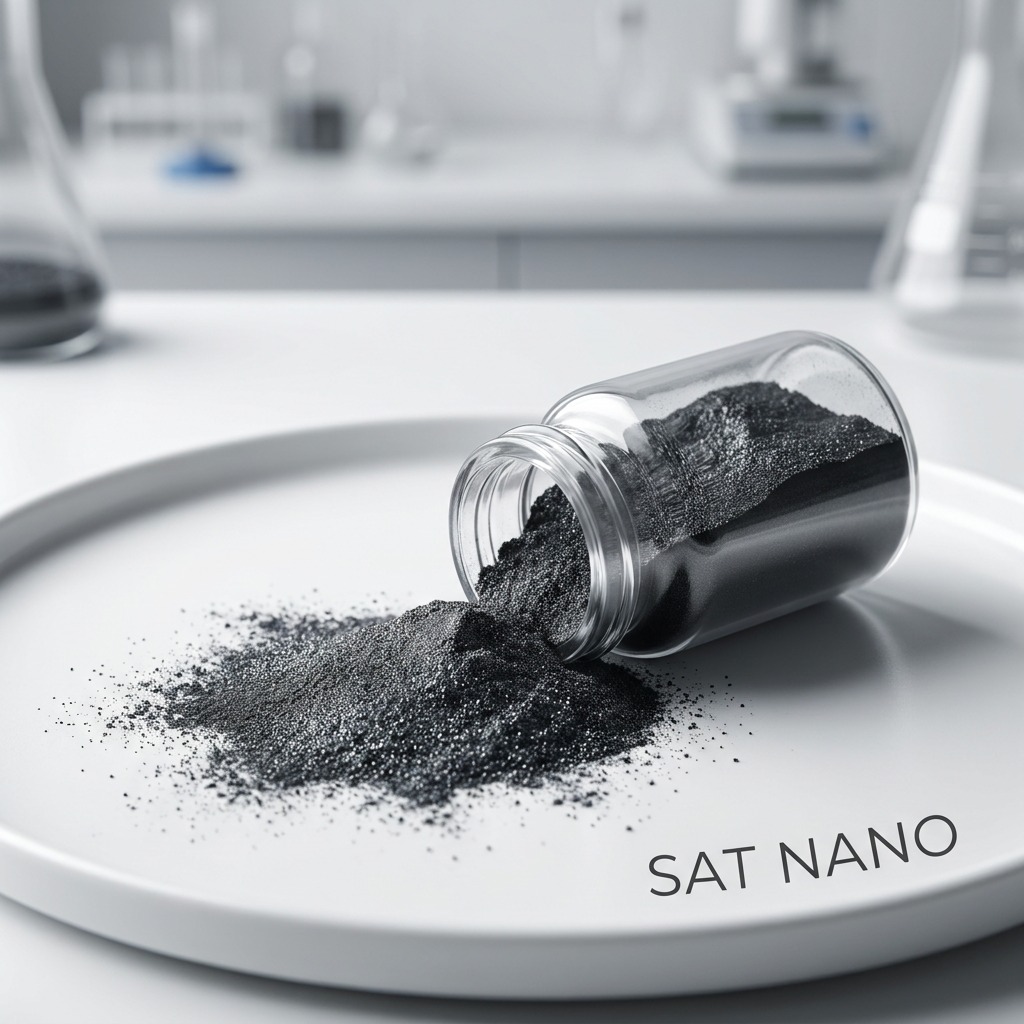
In June 2026, SAT NANO received an unassuming order: a materials science research institute in Shenzhen needed 1 gram of multilayer Ta₄C₃ MXene powder. One gram — less than the weight of a paperclip. Yet within SAT NANO, such orders trigger a meticulous chain: tracing the synthesis records of the MAX phase precursor, verifying acid etching parameters, confirming crystal phase via XRD, inspecting morphology under SEM, then vacuum-sealing the powder under inert gas before dispatch.
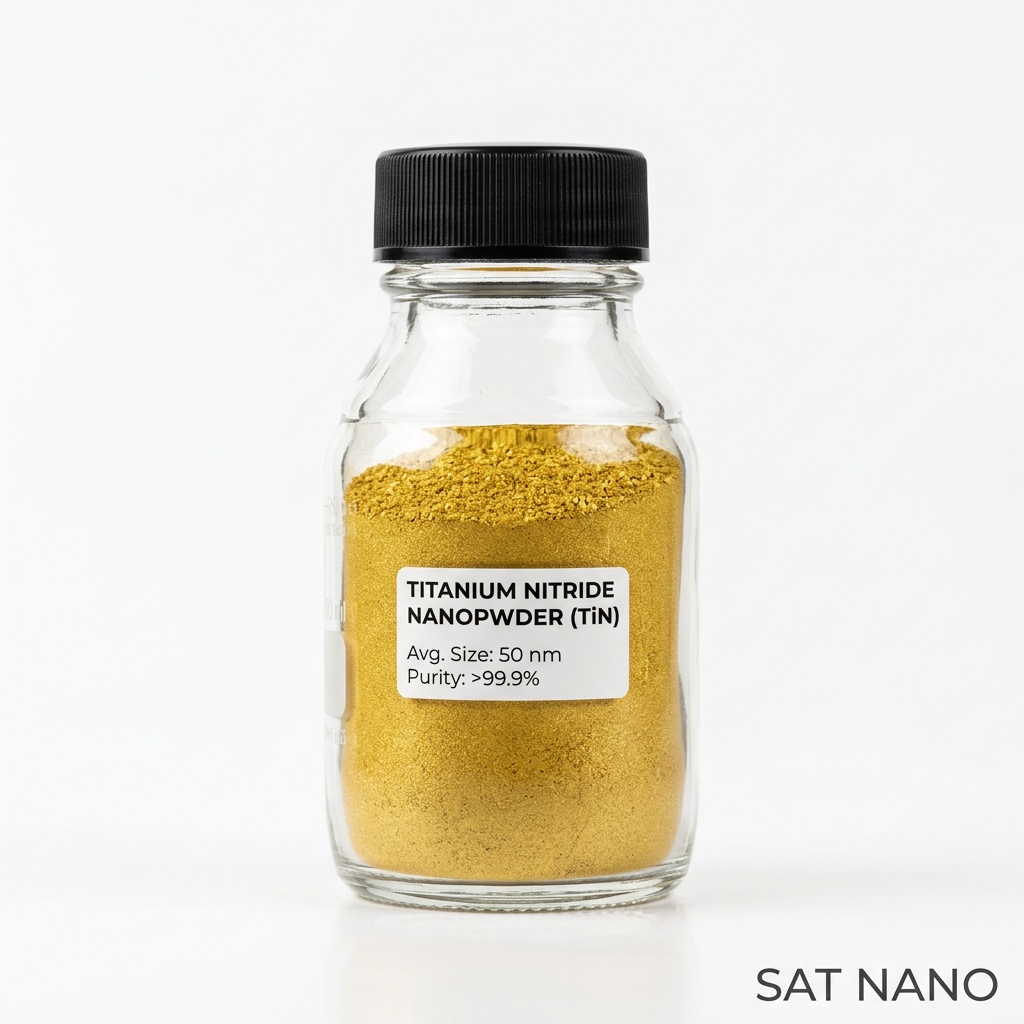
SAT NANO has recently completed an export order — shipping 2KG of high-purity Titanium Nitride (TiN) powder to a Japanese client. This marks another milestone in SAT NANO's continued expansion across the Asia-Pacific advanced materials market.
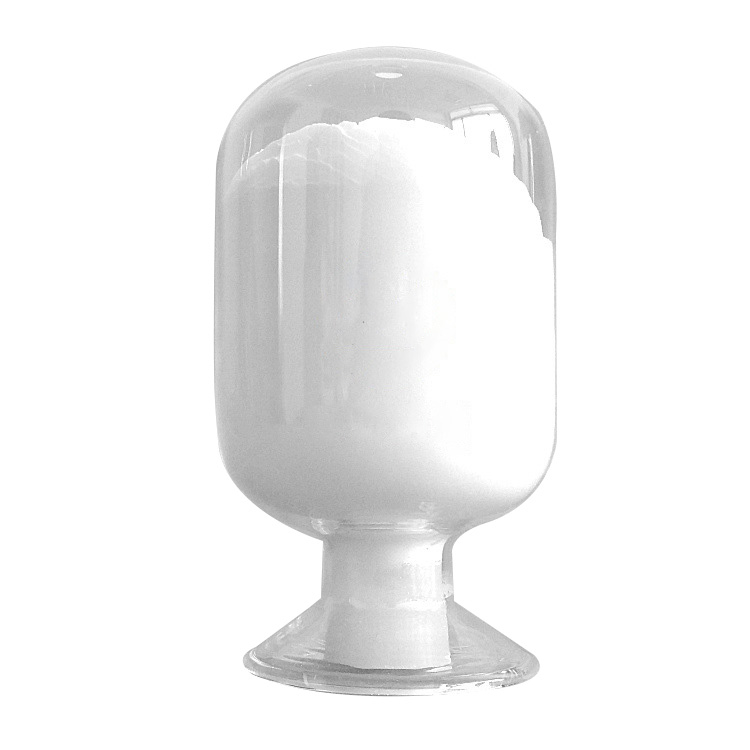
Magnesium Oxide Nanopowder has emerged as one of the most versatile nanomaterials in modern industries due to its outstanding thermal stability, high purity, excellent catalytic activity, antibacterial performance, and electrical insulation properties. As a professional nanomaterial supplier, SAT NANO provides high-quality Magnesium Oxide Nanopowder with consistent particle size distribution and customizable specifications for research laboratories, advanced manufacturing, energy technologies, ceramics, catalysts, electronics, and biomedical applications.
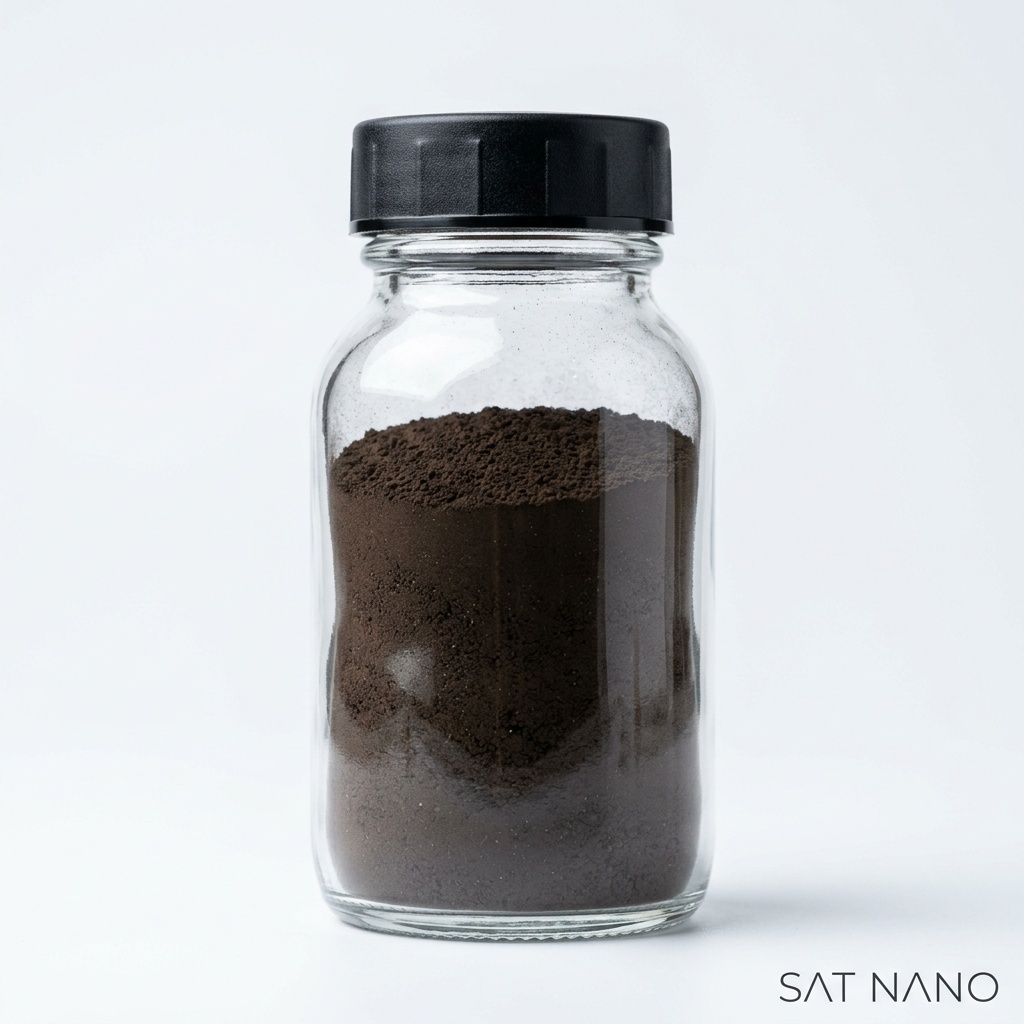
Behind every hyper-connected device and stealthy aircraft lies an invisible battle for Electromagnetic Dominance. As we pivot toward 6G, autonomous swarms, and private spaceflight, the ability to manipulate waves at the molecular level is no longer a luxury—it is the ultimate competitive edge. Nickel Ferrite (NiFe2O4) Nanopowder is the "Black Tech" catalyst defining this new reality.
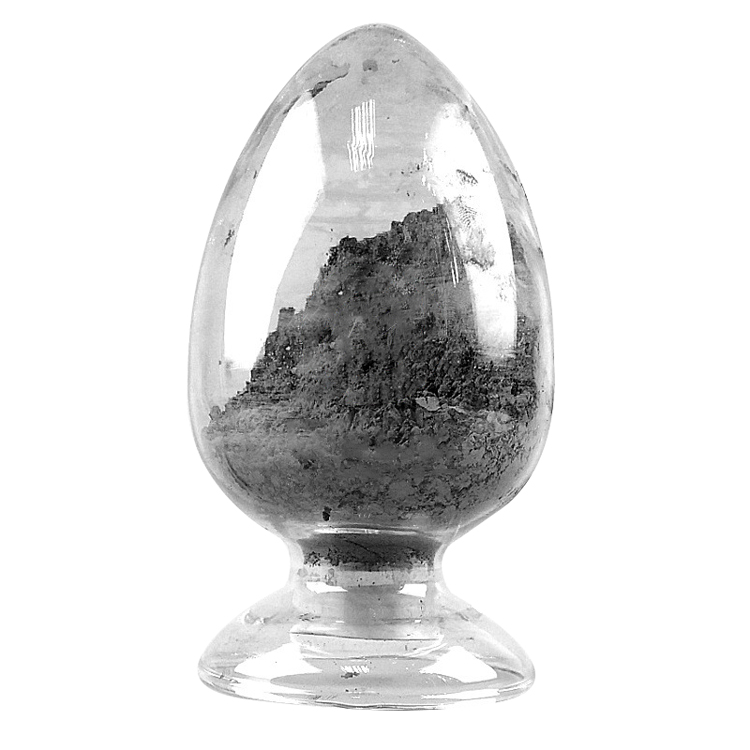
As advanced materials continue to transform modern industries, SAT NANO has been actively supporting researchers and manufacturers with high-quality Molybdenum aluminum boron MoAlB MBene powder. Derived from the layered ternary boride phase MoAlB, MBene materials represent a new family of two-dimensional compounds with remarkable electrical conductivity, thermal stability, oxidation resistance, and catalytic activity.
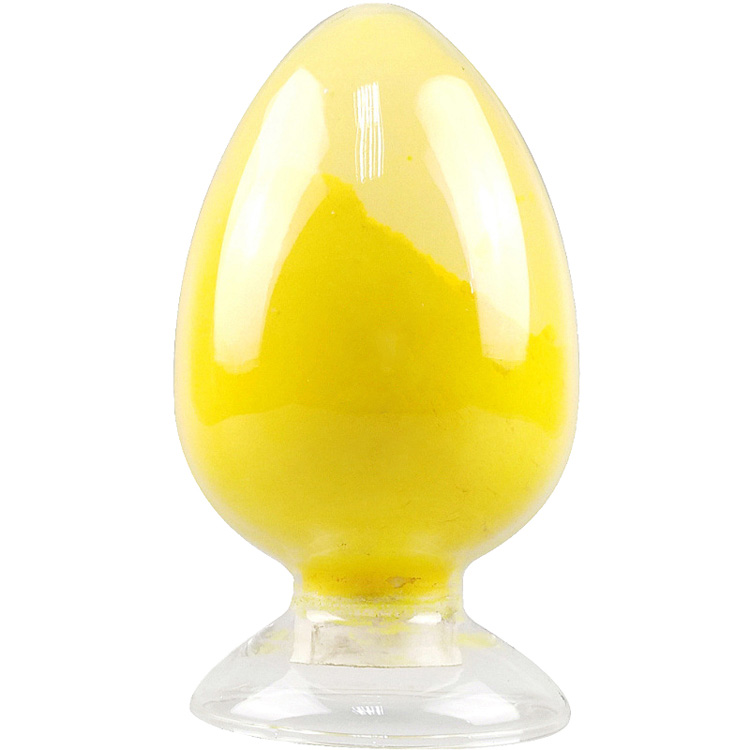
As nanotechnology continues to reshape modern industries, Bismuth Oxide Nanopowder has emerged as a highly promising nanomaterial due to its exceptional electrical, optical, catalytic, and chemical properties. As a leading nanomaterial supplier, SAT NANO provides high-purity Bismuth Oxide Nanopowder designed for applications in energy storage, photocatalysis, sensors, electronics, environmental remediation, and advanced ceramics.