
The reason why nano copper oxide can excel in many fields is due to its unique properties. It has a small particle size and high activity, and exhibits excellent performance in magnetism, light absorption, thermal resistance, catalysts, and other aspects, laying a solid foundation for its application in multiple fields. Now, let's delve into its outstanding performance in different fields!
The reason why nano copper oxide can excel in many fields is due to its unique properties. It has a small particle size and high activity, and exhibits excellent performance in magnetism, light absorption, thermal resistance, catalysts, and other aspects, laying a solid foundation for its application in multiple fields. Now, let's delve into its outstanding performance in different fields!
As the footsteps of 2025 gradually fade away, SAT NANO welcomes the hopeful and opportunity filled year of 2026. As a company specializing in providing nanomaterials, the New Year's greeting for 2026 not only carries recognition of past efforts, but also embodies beautiful expectations for future development.
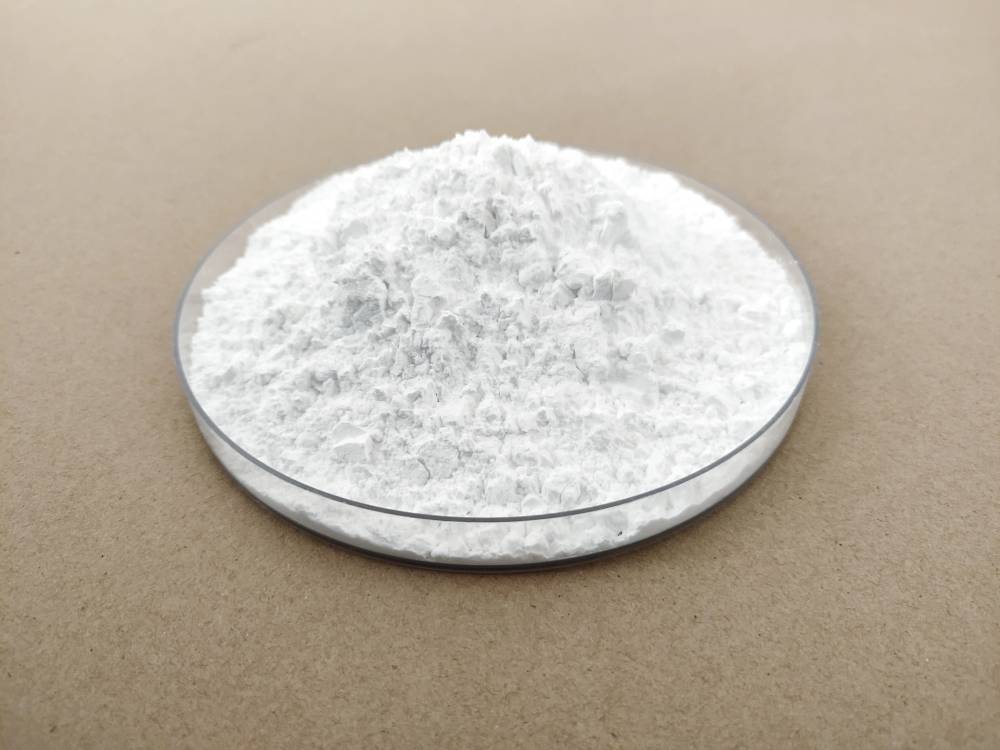
The difference in cohesive force between different powders is due to the type and strength of interparticle forces (van der Waals forces, capillary forces, electrostatic forces, etc.), and its core influencing factors include particle size, surface roughness, moisture content, and material properties, resulting in cohesive force that can span multiple orders of magnitude (from 10 ⁻⁶ N to 10 ⁻¹ N). This difference can be quantitatively described through the aggregation feature index, surface tension, and roughness correction model.
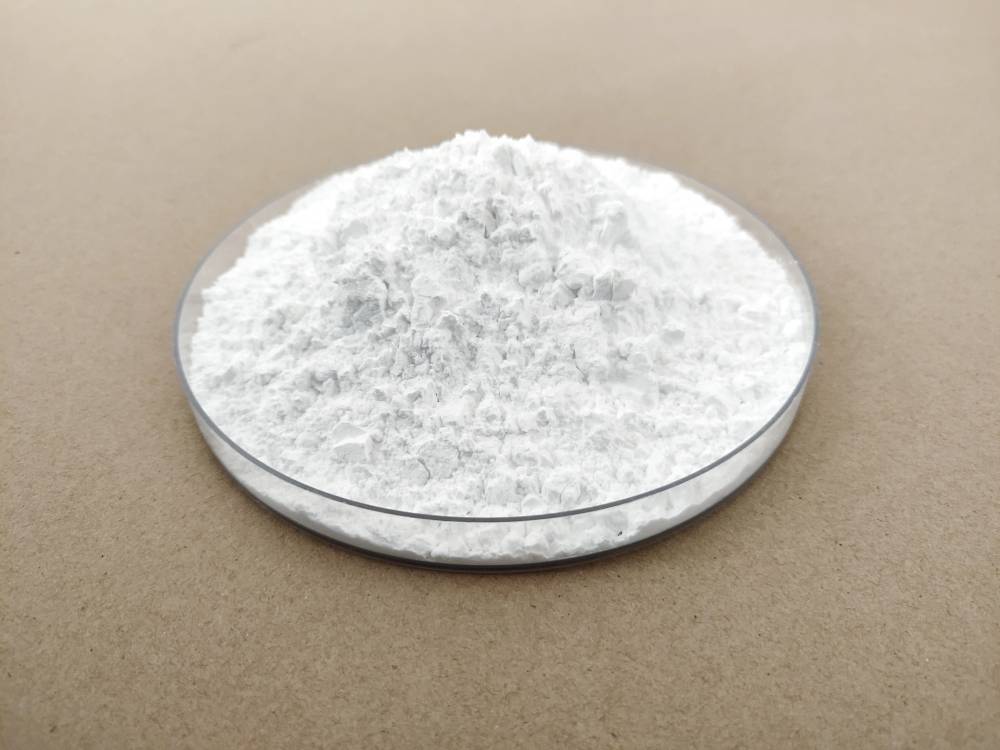
Ceramic particles have a wide range of applications in materials science, electronics, chemical engineering, medical and other fields, but due to their high surface energy and easy aggregation characteristics, dispersion has always been a key challenge in preparing high-performance ceramic materials. This article will introduce common types of ceramic particles and recommend suitable dispersants for different ceramic materials to improve dispersion stability and processing performance.
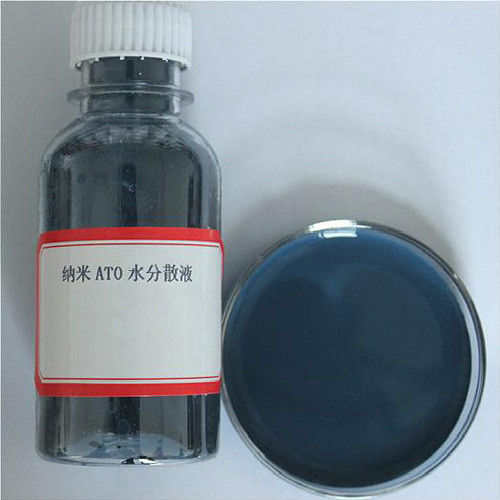
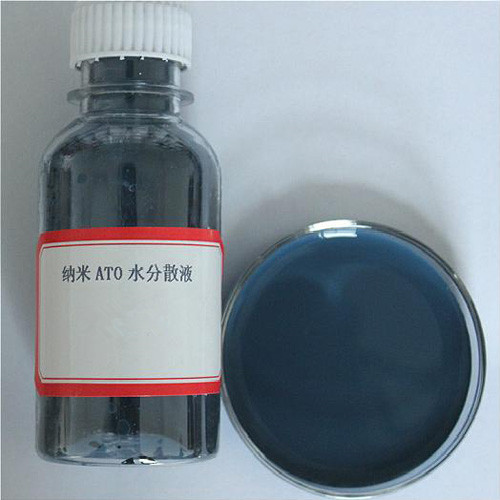
ATO Dispersion plays a critical role in modern transparent conductive materials, thermal insulation coatings, and antistatic applications. In this in-depth guide, SAT NANO explains what ATO Dispersion is, how it works, where it is used, and why it has become an indispensable material for high-performance industrial formulations.