
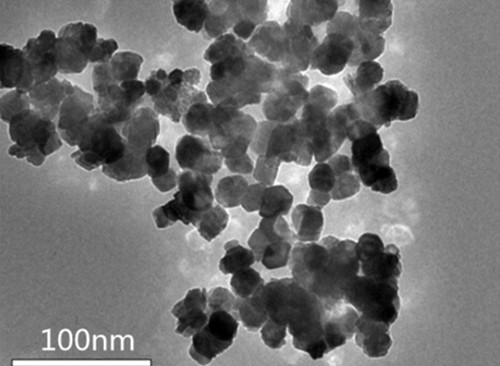
A particle refers to the smallest independent and discrete unit formed by the nucleation and growth of substances in a specific reaction system (such as combustion, precipitation, gas-phase synthesis, etc.), with regular or irregular geometric shapes. It can be understood as the most fundamental individual that is "innate" in the process of material formation.
As someone deeply involved in materials science, I’ve seen firsthand how the right components can transform performance. One of the most exciting advancements we’ve integrated at SAT NANO involves Tin Dioxide Nanoparticles.
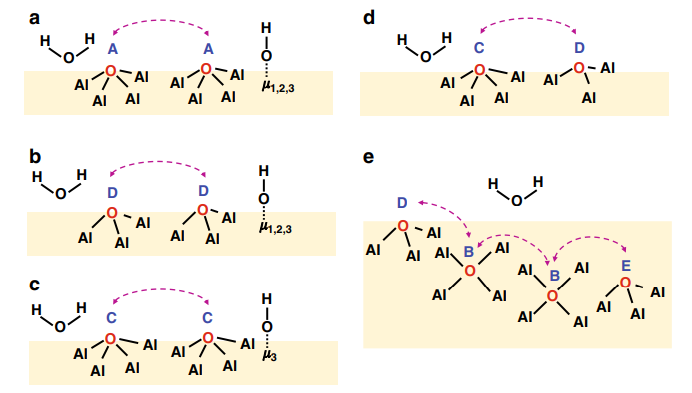
Hydroxyl groups (- OH) can exhibit acidity or alkalinity on the surface of metal oxides in the form of proton reception or supply. By adjusting the quantity and distribution of hydroxyl groups, precise control of surface acidity and alkalinity can be achieved, thereby affecting the activation pathway and selectivity of catalytic reactions.
On unsaturated metal sites of metal oxides or semiconductor oxides (such as Ti4+, Fe3+), water molecules first adsorb in molecular form, followed by O-H bond cleavage, resulting in bridge or terminal hydroxyl groups (M-OH) and surface hydrogen atoms. The thermodynamic driving force of this process comes from the strong Lewis acidity of metal ions, making water molecules easy to dissociate. Both experiments and DFT calculations indicate that surfaces covered with low oxygen tend to dissociate and adsorb, while surfaces covered with high oxygen tend to adsorb molecules.
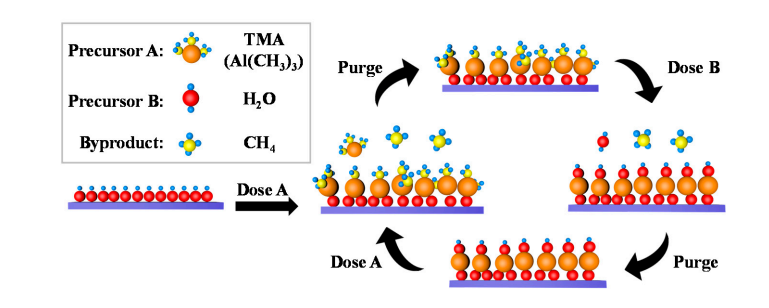
Surface hydroxyl engineering refers to the targeted regulation of the number, distribution, and chemical activity of hydroxyl (- OH) groups on the surface of materials through physical, chemical, or plasmonic means, in order to achieve precise adjustment of surface properties. Hydroxyl groups are the most common polar functional groups that can form hydrogen bonds, coordination bonds, or covalent bonds with water, metal ions, polymer chains, or biomolecules, significantly altering the hydrophilicity, surface energy, adsorption/catalytic activity, and biocompatibility of materials.
As a researcher with over two decades of experience in material science, I have seen firsthand the challenges that come with synthesizing consistent, high-quality metal oxide nanoparticle suspensions. The struggle is real—agglomeration, where those tiny, powerful particles stick together, can ruin the very properties we work so hard to achieve.