
Ceramic particles have a wide range of applications in materials science, electronics, chemical engineering, medical and other fields, but due to their high surface energy and easy aggregation characteristics, dispersion has always been a key challenge in preparing high-performance ceramic materials. This article will introduce common types of ceramic particles and recommend suitable dispersants for different ceramic materials to improve dispersion stability and processing performance.
First. Classification of common ceramic particles
Ceramic particles can be divided into oxides, carbides, nitrides, borides, etc. according to their chemical composition. The following are some typical ceramic particles and their applications:
1. Oxide ceramics
Aluminum oxide (Al2O3): high hardness, high temperature resistance, used for abrasives, refractory materials, and electronic substrates.
ZrO2 (Zirconia): High toughness, used for dental restorations, bearings, oxygen sensors.
SiO2 (silicon dioxide): used in coatings, fillers, and optical glass.
TiO2 (titanium dioxide): photocatalysis, pigment, sunscreen material.
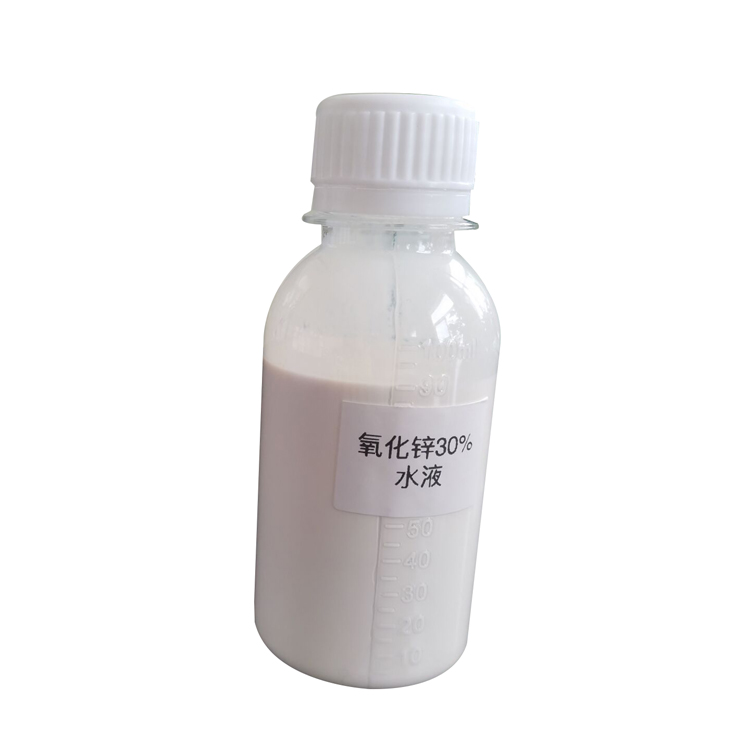
ZnO (Zinc Oxide): Varistor, antibacterial material, rubber reinforcing agent.
2. Carbide ceramics
SiC (silicon carbide whiskers and particles): reinforced and toughened, highly thermally conductive, wear-resistant, used in semiconductors, brake pads, and high-temperature resistant components.
B4C (boron carbide): a superhard material used for bulletproof armor and neutron absorbers in nuclear reactors.
WC (tungsten carbide): hard alloy cutting tools, drill bits.
3. Nitride ceramics
Si3N4 (silicon nitride): high toughness, self-lubricating, used for bearings and engine components.
AlN (aluminum nitride): high thermal conductivity, insulation, used for electronic packaging substrates.
BN (boron nitride): hexagonal BN (lubricant), cubic BN (superhard abrasive).
4. Boride ceramics
TiB2 (titanium diboride): high melting point, conductive, used as electrode material and wear-resistant coating.
ZrB2 (zirconium diboride): Ultra high temperature ceramic used for aerospace thermal protection materials.
5. Composite/functional ceramics
BaTiO3 (barium titanate): a ferroelectric material used in capacitors and piezoelectric devices.
PZT (lead zirconate titanate): a piezoelectric ceramic used in sensors and ultrasonic transducers.
Second. The dispersion problem of ceramic particles
Ceramic particles, due to their high surface energy and small particle size (especially nanoscale particles), are prone to agglomeration, leading to:
1.The increase in viscosity of the slurry affects its rheological properties.
2.Uneven sintering reduces the mechanical properties of ceramic products.
3.Uneven dispersion in coatings or composite materials affects functional performance.
Therefore, choosing the appropriate ceramic dispersant is crucial.
Third. Classification and selection of ceramic dispersants
The function of ceramic dispersants is to reduce van der Waals forces between particles and improve suspension stability. According to their chemical properties, dispersants can be divided into the following categories:
1. Ionic dispersant
Suitable for water-based systems, stabilizing particles through electrostatic repulsion.
Anionic type (with negative charge):
Sodium polyacrylate (PAAS): suitable for oxide ceramics such as Al2O3, SiO3, ZrO2, etc.
Sodium dodecylbenzenesulfonate (SDBS): commonly used in non oxide ceramics such as SiC and Si3N4.
Cationic type (with positive charge):
Hexadecyltrimethylammonium bromide (CTAB): suitable for negatively charged ceramic particles (such as partially ZrO2).
2. Non ionic dispersants
Suitable for organic solvent systems, stabilizing particles through steric hindrance.
Polyvinylpyrrolidone (PVP): suitable for non oxide ceramics such as SiC, AlN, BN, etc.
Polyethylene glycol (PEG): suitable for functional ceramics such as BaTiO3 and PZT.
BYK series (such as BYK-110): suitable for high solid content ceramic slurries.
3. Coupling agent
Used to improve the compatibility between ceramics and organic substrates, such as:
Silane coupling agents (KH-550, KH-570): suitable for oxide ceramics such as SiO2and Al2O3.
Titanium ester coupling agent (NDZ-101): suitable for high surface energy ceramics such as SiC and TiB2.
4. Polymer dispersant
Suitable for nano ceramic particles to prevent secondary agglomeration.
Polyacrylic acid (PAA): suitable for nano ZrO2, TiO2, etc.
Polymethyl methacrylate (PMMA): suitable for nitride ceramics such as Si3N4 and AlN.
SAT NANO is a best supplier of ceramic powder in China, if you have enquiry of oxide ceramics such as Al2O3, SiO3, ZrO2, please feel free to contact us at sales03@satnano.com