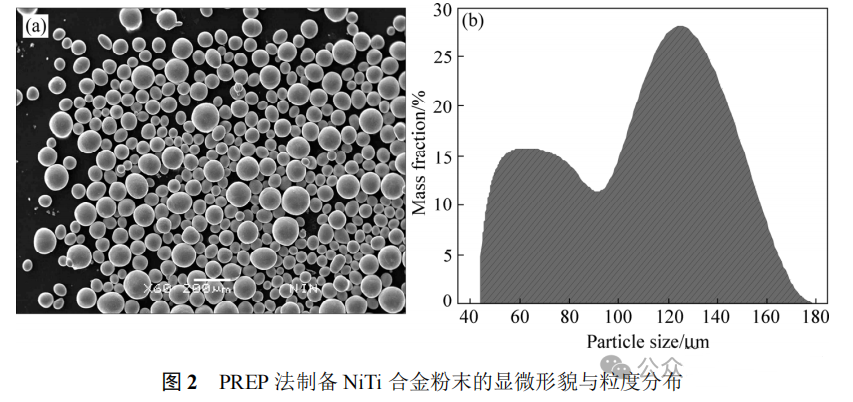

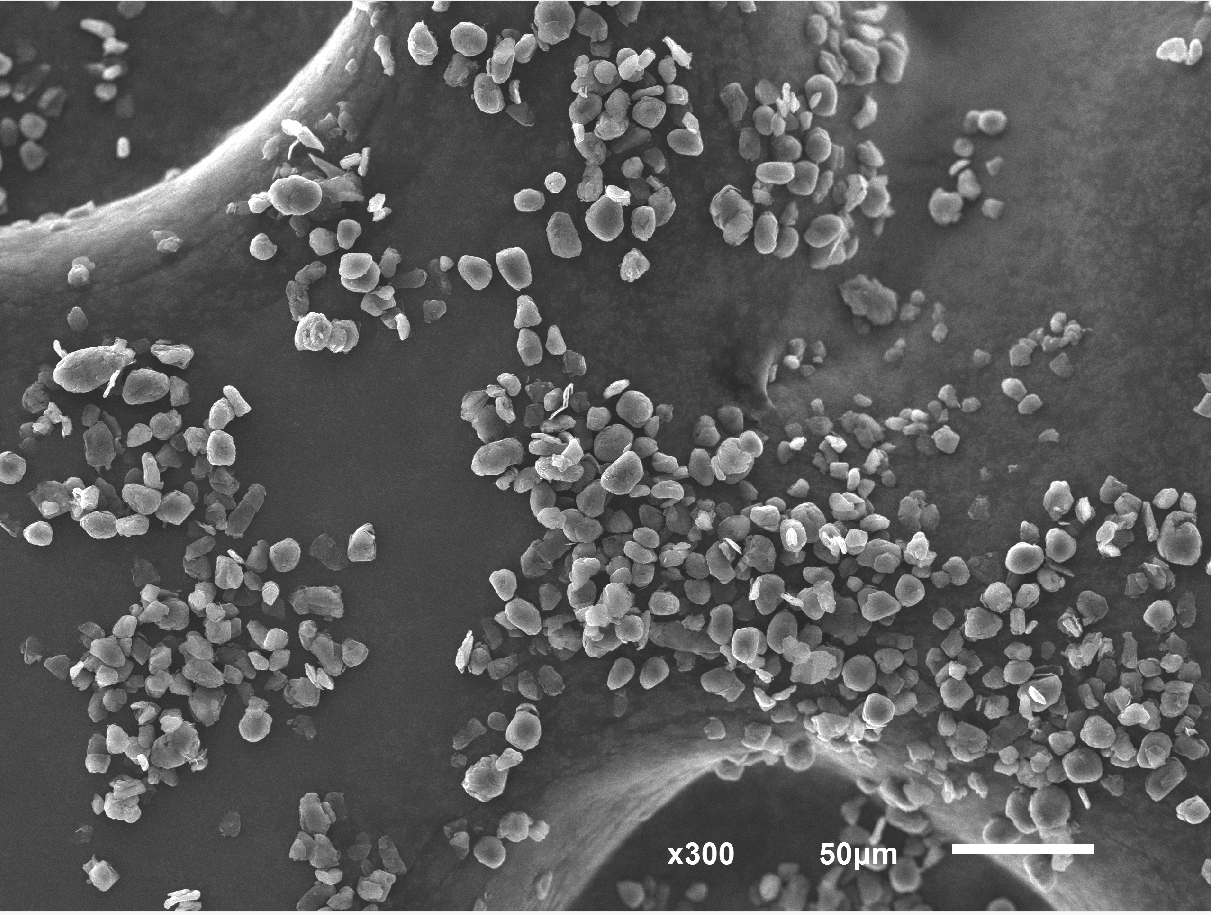
Particle rearrangement and densification: In liquid-phase sintering, the generation of liquid phase and particle rearrangement are key steps in densification. Small particles have a large specific surface area and surface energy. After the liquid phase is generated, the solid phase is wetted by the liquid phase and infiltrates into the gaps between particles. If the amount of liquid phase is sufficient, the solid phase particles will be completely surrounded by the liquid phase and approximate a suspended state. Under the surface tension of the liquid phase, they will undergo displacement and adjustment of position, thus achieving the most compact arrangement. At this stage, the density of the sintered body increases rapidly

Heat treatment is a key step in the application process of 3D printing. So far, regardless of which 3D printing process is used, it involves several methods to varying degrees, such as powder cleaning, annealing, post curing, unsupported, polished, sandblasted, and colored. Heat treatment is also an important step in the application process of 3D printed parts, and can take various forms depending on the expected results, materials used, and preferred technology.

Scanning electron microscopy can be divided into thermal electron emission type and field emission type according to the different ways of electron generation. The filament used for thermal electron emission type is mainly tungsten filament electron microscopy. Field emission type The distinction between hot field emission and cold field emission.

In recent years, significant advancements have been made in drug delivery systems using microneedles. Researchers have developed a rocket microneedle drug delivery system that uses a self-propulsion mechanism for deep penetration into the skin and tumor microenvironment. This article discusses the use of rocket microneedles made of mesoporous silica nanoparticles and other materials for the treatment of melanoma, a type of skin cancer.
Bladder cancer, particularly non-muscle invasive bladder cancer (NMIBC), is the most common malignant tumor of the urinary system. Although platinum-based chemotherapy has shown significant clinical efficacy as a first-line treatment, its therapeutic effect is still limited for patients with lymphovascular invasion (LVI). The formation of LVI is closely related to platelets, which not only hinder drug delivery but also protect tumor cells from chemotherapy-induced cell death and immune attack.