
Silicon dioxide SiO2 often has a decisive impact on the performance of systems, whether it is silicone rubber, thin films, or electronic packaging materials.
Although the chemical formula is SiO2, its morphology and value vary greatly due to different production processes. The common ones in engineering include:
1. Gaseous silica powder
How did it come about: Silicon halides (such as silicon tetrachloride) are burned out at over 1000 degrees Celsius in a hydrogen oxygen flame.
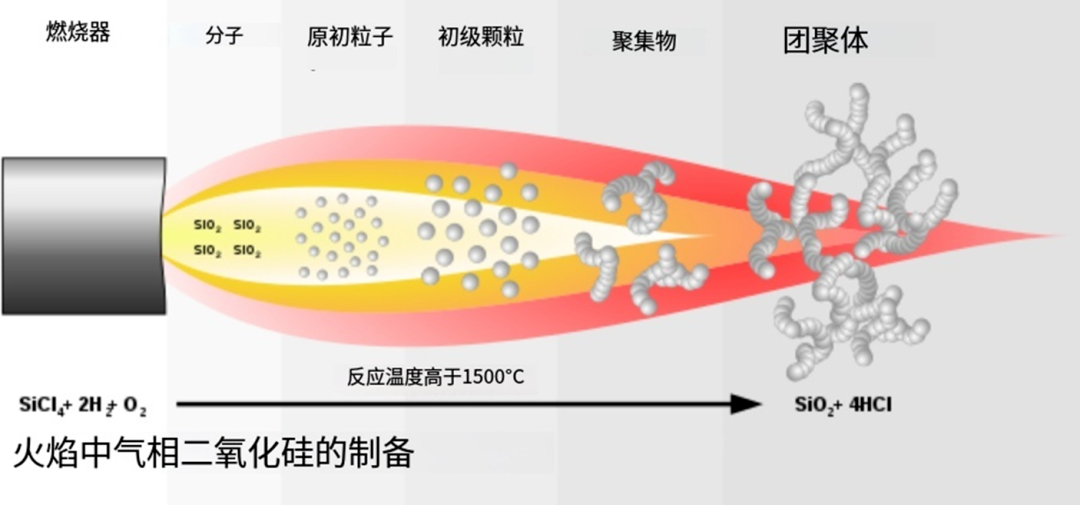
Microscopic morphology: Extremely fluffy, not round balls, but flocculent substances connected together like tree branches (three-dimensional chain branches), with a huge specific surface area.
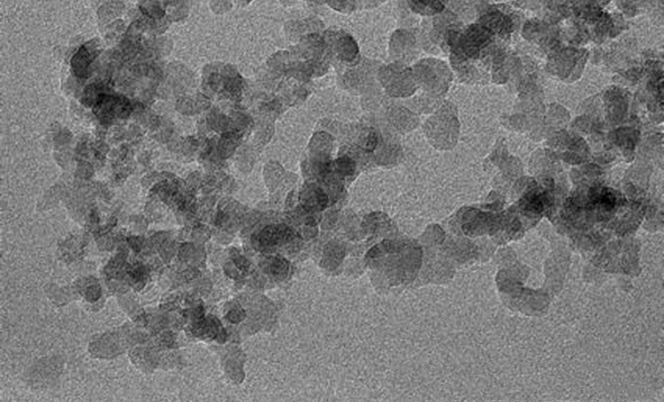
Features: Extremely light, extremely fine (nanometer level), extremely easy to fly, high price
Essential feature: Structure dominant filler
2. Precipitation silica
Source: Sodium silicate (water glass) and acid undergo chemical reaction and precipitate in aqueous solution
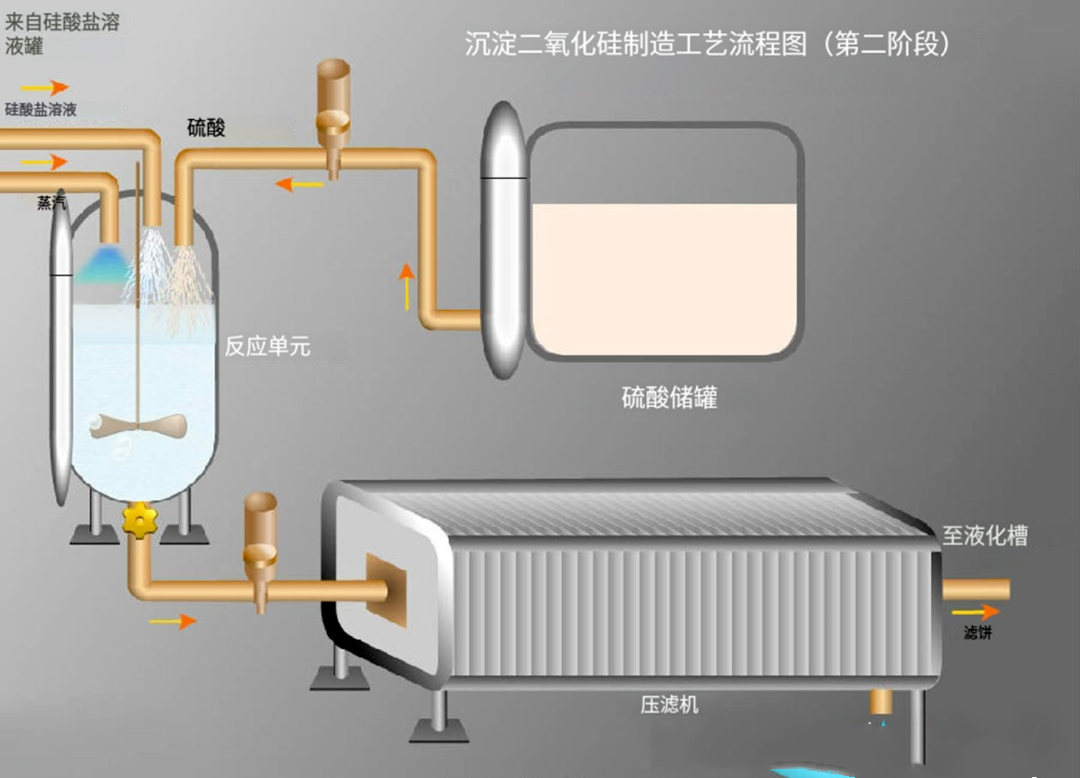
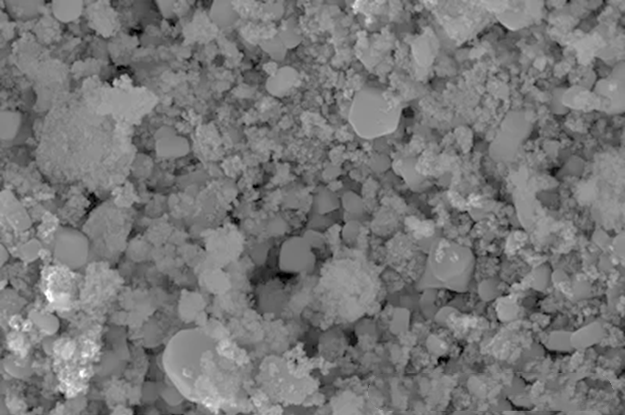
Features: Low cost, strong adjustability
Essential feature: Cost effective driven functional filler
3. Spherical fused silica micro powder (widely used in the semiconductor industry)
Source: Melting high-purity quartz powder through a high-temperature flame, utilizing surface tension to transform it into a perfect sphere, and then cooling it down
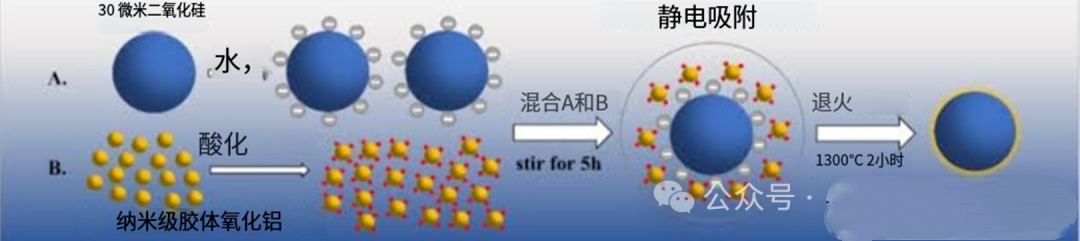
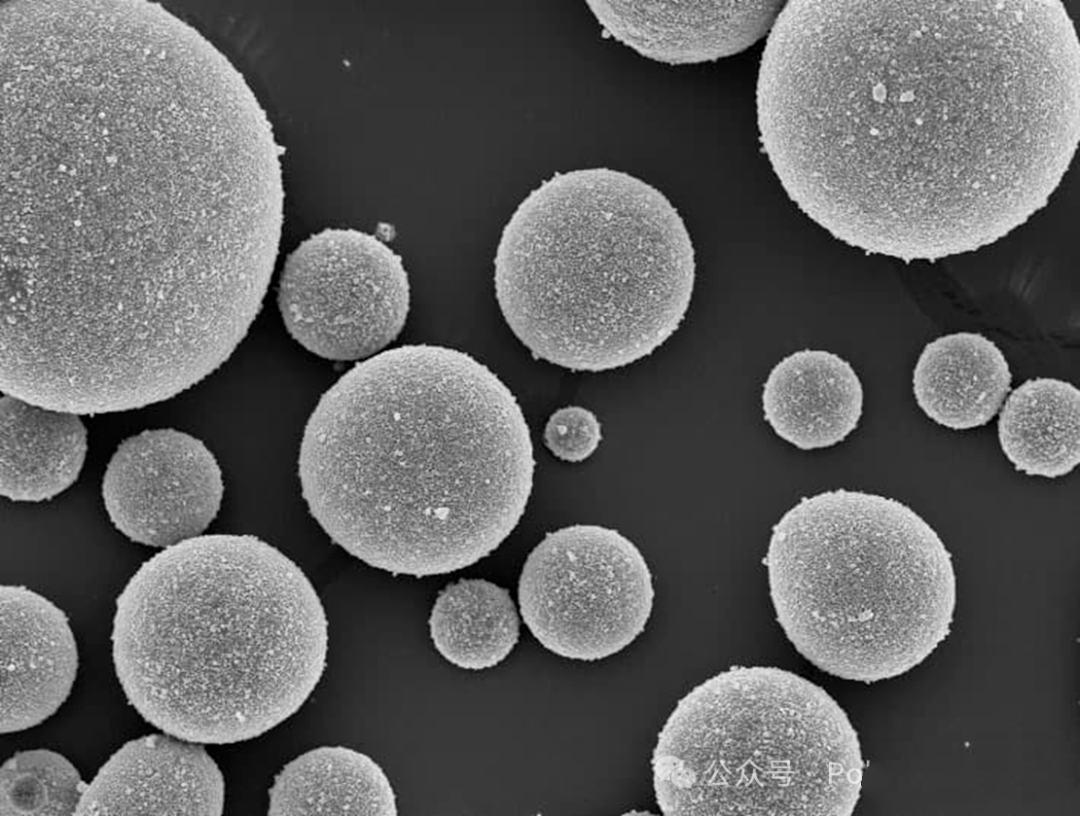
Features: Excellent fluidity, extremely low coefficient of thermal expansion (CTE), and extremely terrifying electrical insulation.
Essential feature: morphology driven high-end filler
The difference between gas-phase silica and precipitated silica in terms of application lies in their different mechanisms for regulating system performance: gas-phase silica excels in constructing intelligent three-dimensional network structures to achieve rheological control such as thickening and thixotropy; The precipitation method of silica focuses on providing functional fillers such as reinforcement and support through its porous structure and surface activity.
Below, I have compared their key performance data in different application fields, hoping to more intuitively demonstrate their respective advantages.
| Application |
comparative effect |
Gas phase silica |
Precipitated silica |
|
Silicone rubber reinforcement |
Reinforcement effect |
Extremely strong, can increase the strength of silicone rubber by 5-10 times |
The reinforcement effect is good, but usually lower than that of gas-phase products |
|
Rheological control of coatings |
Thickening and thixotropy |
Excellent, with the addition of 2%, the low shear viscosity can soar from 460 cP to 12600 cP, and the thixotropy value can reach up to 4.53 |
It has a thickening effect, but its thixotropy and anti sagging properties are usually inferior to those of gas-phase methods |
|
Tires and rubber |
rolling resistance |
Excellent reinforcement performance |
Significantly reduced, the rolling resistance index of tires using high-performance sedimentation method can be reduced by 20-30% compared to ordinary carbon black |
|
|
wear resistance |
Can significantly improve wear resistance |
Significantly improved, can reduce tire wear rate by 15-20% |
|
|
Wetland grip |
Can significantly improve Wetland grip |
Effective improvement, can increase wetland grip by more than 9% |
|
Special functional applications |
Liquid to powder carrier |
Extremely high oil carrying capacity, capable of adsorbing liquid drugs up to 1.5 times its own weight, with better powder flowability and filling properties |
The oil loading capacity is relatively low, and the flowability of the solidified powder is not as good as that of the gas-phase method |
|
|
Toothpaste friction agent |
Very rarely used |
Core application, with moderate RDA friction value (100-150) and water absorption (>50ml/20g), can effectively clean teeth without damaging enamel |
The differences in these data are determined by the different "backgrounds" of two materials:
Gaseous silica is a "master of rheology": its primary particle size is extremely small (in the nanometer range), its purity is extremely high, and its surface properties enable it to quickly form a strong hydrogen bond network in non-polar systems. Therefore, in scenarios that require precise control of fluid behavior, such as high-end paint anti sagging, adhesive anti settling, silicone rubber reinforcement, etc., it is an irreplaceable choice.
Precipitation method silica is the "king of functional fillers": it has a high cost performance ratio (about 1/5 to 1/3 of the cost of gas-phase method), and by adjusting the synthesis process, its specific surface area, oil absorption value, pore size and other parameters can be flexibly changed to meet different needs. Therefore, in cost sensitive and diversified demand bulk industrial products such as tires, shoe soles, toothpaste, feed, etc., it occupies over 90% of the market share.