
Since ancient times, silver has been widely used for wound treatment and water purification due to its natural antibacterial properties. After entering the nano era, silver nano powder (particle size is usually between 1~100 nm) can release higher concentration of active silver ions (Ag+) due to its extremely high specific surface area, showing far more biological activity than macro silver materials. At present, nanosilver has moved from laboratory research to clinical applications, becoming an important supplement to modern anti infective medical systems.
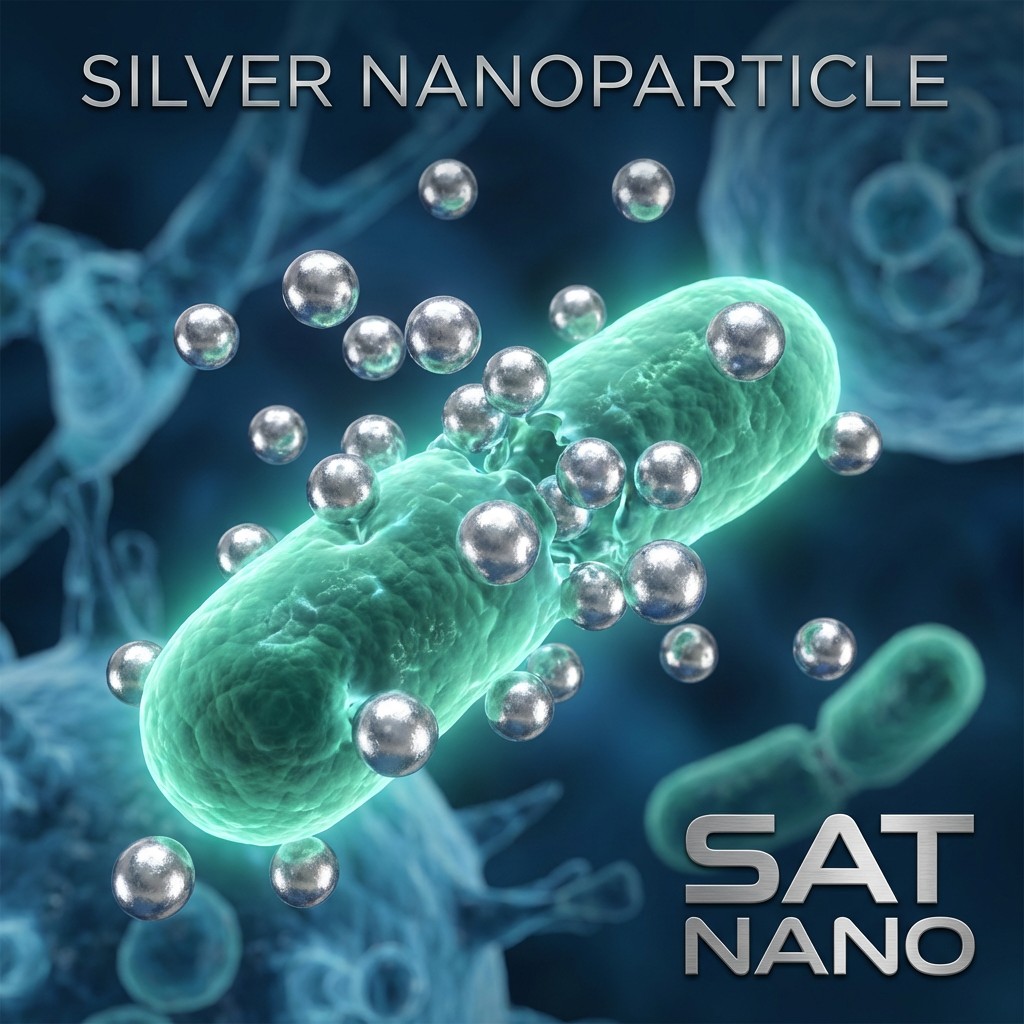
The antibacterial mechanism of nanosilver is multidimensional, which makes it extremely difficult to induce bacterial resistance:
*Physical destruction: Directly adhering to and penetrating the bacterial cell wall, disrupting the integrity of the cell membrane.
*Oxidative stress: induces the production of large amounts of reactive oxygen species (ROS), leading to protein denaturation and metabolic disorders within cells.
*Intervention in genetic material: Silver ions enter cells and bind to DNA, preventing bacterial replication and reproduction.
*Antiviral potential: Studies have shown that nanosilver can prevent viruses (such as influenza, HIV, etc.) from attaching to the surface of host cells.
Therefore, its application in the medical field mainly revolves around anti infection and promoting tissue repair, and it is currently one of the most deeply researched and clinically transformed metal nanomaterials.
DANA, a technician of SAT NANO, obtained relevant data from multiple experiments based on silver nano powder produced by the company. The following table summarizes its core applications, mechanisms of action, and key parameters:
|
Application Area |
Core Mechanism / Features |
Key Parameters & Research Data |
|
Wound Healing & Antibacterial |
Broad-spectrum: Disrupts bacterial cell membranes, generates reactive oxygen species (ROS), interferes with DNA replication. Anti-biofilm: Can penetrate and disrupt bacterial biofilms. Anti-inflammatory & Pro-healing: Modulates immune microenvironment, promotes angiogenesis and granulation tissue growth. |
• Clinical Data: In an RCT, a silver nanoparticle-containing cream (Kadermin) achieved an 86% bacterial clearance rate in 5 days and an 81.4% complete healing rate in 28 days for infected wounds, significantly outperforming mupirocin antibiotic (65.1% and 37.2%). • Novel Material: A pH-responsive core-shell silver nanoparticle (PST/Ag) achieved >98% sterilization via targeted release in the acidic microenvironment of infections, and activated autophagy to accelerate healing and reduce scarring. • Surface Modification: Grafting positively charged amine groups via plasma technology enhanced bactericidal performance against E. coli by 4.37 times. |
|
Medical Device Coating |
Infection Prevention: Coats surfaces of catheters, orthopedic implants, etc., to inhibit bacterial adhesion and biofilm formation, reducing device-related infection risks. |
• An ICU clinical trial (NCT00337714) evaluating silver nanoparticle-coated central venous catheters for infection prevention found no significant difference compared to standard catheters, indicating coating technology still requires optimization. • New Strategy: Green-synthesized silver nanoparticles (t-CA-AgNPs, ~2.5 nm in diameter) demonstrated potent anti-biofilm capability, achieving 88.74% inhibition of Pseudomonas aeruginosa biofilms, showing potential for catheter coating development. |
|
Diagnosis & Bioimaging |
High-sensitivity Detection: Leverages unique optical properties (surface plasmon resonance) as labels in lateral flow assays (e.g., flu, COVID-19 tests) for rapid diagnosis. Novel Imaging Probes: Silver nanoclusters (AgNCs) exhibit fluorescence in the near-infrared-II (NIR-II) window, enabling deeper, higher-resolution in vivo imaging. |
• Applied in commercialized rapid diagnostic test strips, representing one of the most successful clinical diagnostic applications of silver nanoparticles. • NIR-II fluorescence imaging technology using silver nanoclusters is still in the research phase, holding promise for precise diagnosis of deep-seated tumors. |
|
Dental & Ophthalmic Treatment |
Local Anti-infection: Utilizes antibacterial properties to treat localized infections like periodontitis and sinusitis. |
Periodontitis: In a rat model, patches loaded with silver nanoparticles (~85 nm diameter) showed superior repair efficacy compared to traditional chlorhexidine gels, significantly promoting gingival tissue regeneration. • Sinusitis: A clinical trial (NCT02403479) confirmed good safety for topical application, but efficacy was not superior to traditional antibiotics or saline irrigation. |
|
Anti-cancer & Drug Delivery |
Synergistic Therapy: Silver nanoparticles possess intrinsic anti-tumor activity, can serve as carriers for anti-cancer drugs, or synergize with photothermal therapy for multimodal "chemo-photothermal-silver ion" treatment. Targeted Delivery: Surface modification enables precise targeting of tumor cells. |
• This direction is largely preclinical research, primarily leveraging the carrier function and ion-release properties of silver nanoparticles. • Studies show that bimetallic silver-based nanoparticles (e.g., combined with gold or platinum) can exert synergistic enhancement, improving anti-cancer efficacy. |
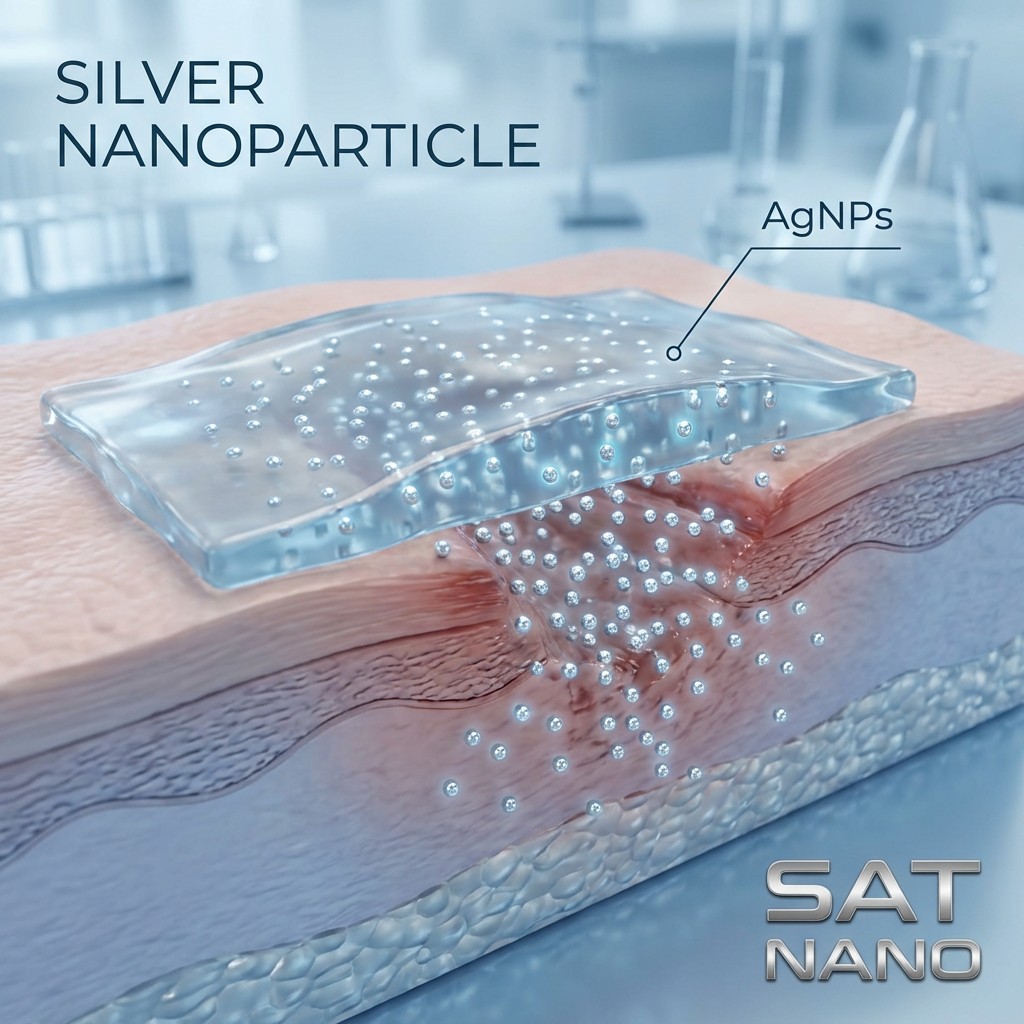
Nano silver has excellent performance in the treatment of chronic wounds (such as diabetes foot ulcer) and burns. The gauze, gel and sponge containing nano silver can ensure a lasting antibacterial environment, and reduce local inflammation by reducing the secretion of proinflammatory cytokines. More importantly, nano silver can promote the migration of fibroblasts and the proliferation of keratinocytes, significantly shortening the healing cycle.
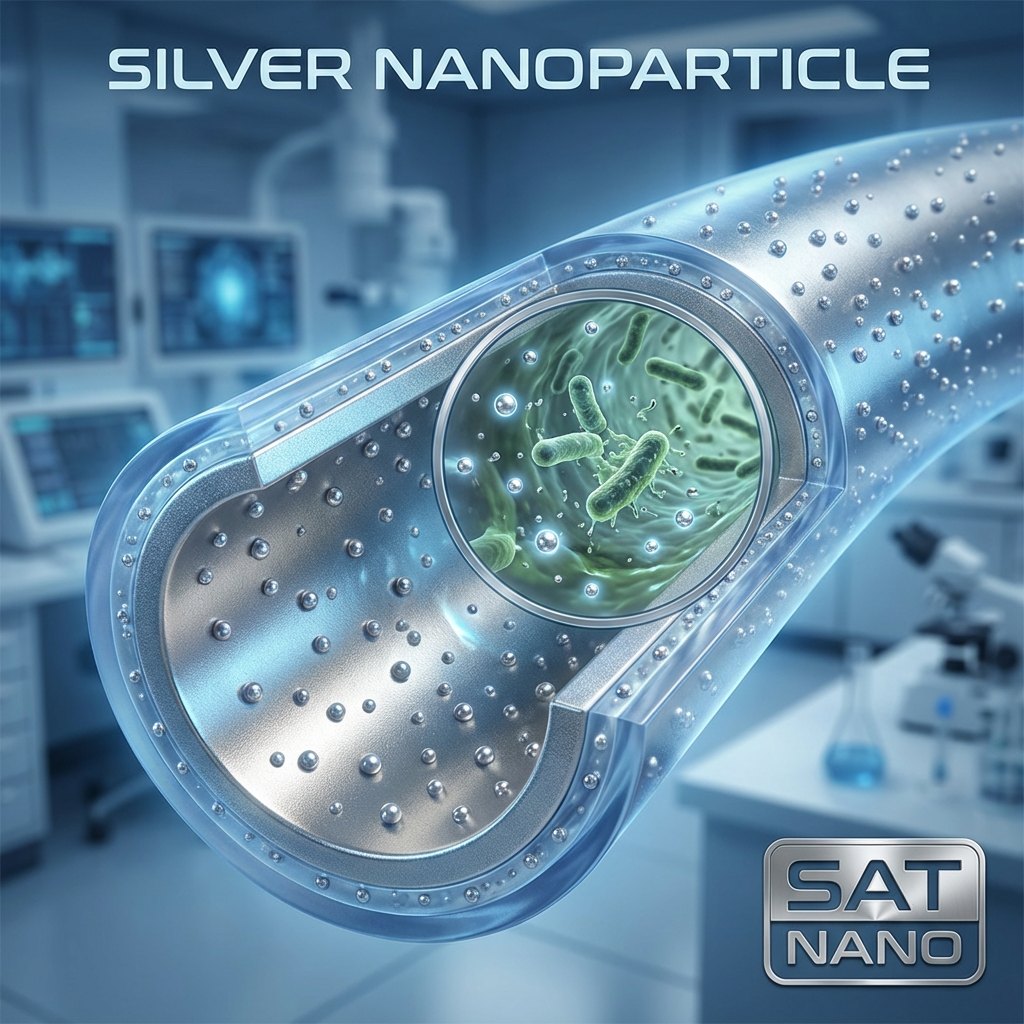
Hospital acquired infections (such as urinary tract infections and surgical site infections) are a major challenge in clinical medicine. By integrating nano silver powder onto the surfaces of catheters, stents, implants, and surgical instruments, the formation of biofilms can be effectively prevented. This long-lasting antibacterial coating can significantly reduce the risk of secondary infections in patients.
In the field of dentistry, nano silver is added to composite resins, enamel adhesives, and denture bases to inhibit the growth of oral cariogenic bacteria. Its excellent mechanical properties and biological activity help prevent secondary caries after dental restoration.
Although gold nanoparticles are more common in photothermal therapy, nanosilver also exhibits certain anti-cancer potential. It can achieve synergistic therapeutic effects by inducing tumor cell apoptosis and exhibits good radiosensitization at low doses.
By utilizing the surface enhanced Raman scattering (SERS) effect of nanosilver, highly sensitive detection of biomolecules such as blood glucose, proteins, and pathogens can be achieved.
Although the application prospect is broad, the biosafety of silver nano powder still needs high attention:
*Cytotoxicity: High concentrations of nanosilver may exert oxidative stress on normal cells, affecting mitochondrial function.
*Accumulated risk: Long term exposure to large amounts may lead to Argyria, which is discoloration of the skin or organs.
*Environmental impact: The loss of nanosilver in the environment may have negative effects on aquatic organisms and soil microbial communities.
As an efficient bioactive material, silver nano powder is innovating the way of wound care and infection prevention. The future research and development focus should be on the development of "intelligent release" technology, which controls the release rate and environmental responsiveness of nanosilver to ensure therapeutic efficacy while minimizing potential systemic toxic side effects.
SAT NANO is a best supplier of silver nanoparticle, we can offer 20-30nm, 50nm, 100nm, if you have any enquiry, please feel free to contact us at sales@satnano.com