
In the current era of miniaturization of electronic devices, rapid development of the new energy industry, and continuous improvement of LED lighting power, "heat dissipation" has become a core bottleneck restricting product performance upgrades and lifespan extensions. Traditional thermal conductive materials either have insufficient thermal conductivity efficiency, poor compatibility, and are prone to settling, making it difficult to meet the needs of high demand scenarios. Nano aluminum oxide, with its unique nanoscale structure and excellent thermal conductivity, is becoming a "performance breakthrough" in the field of thermal conductivity, providing efficient heat dissipation solutions for multiple industries such as electronics, new energy, and lighting.
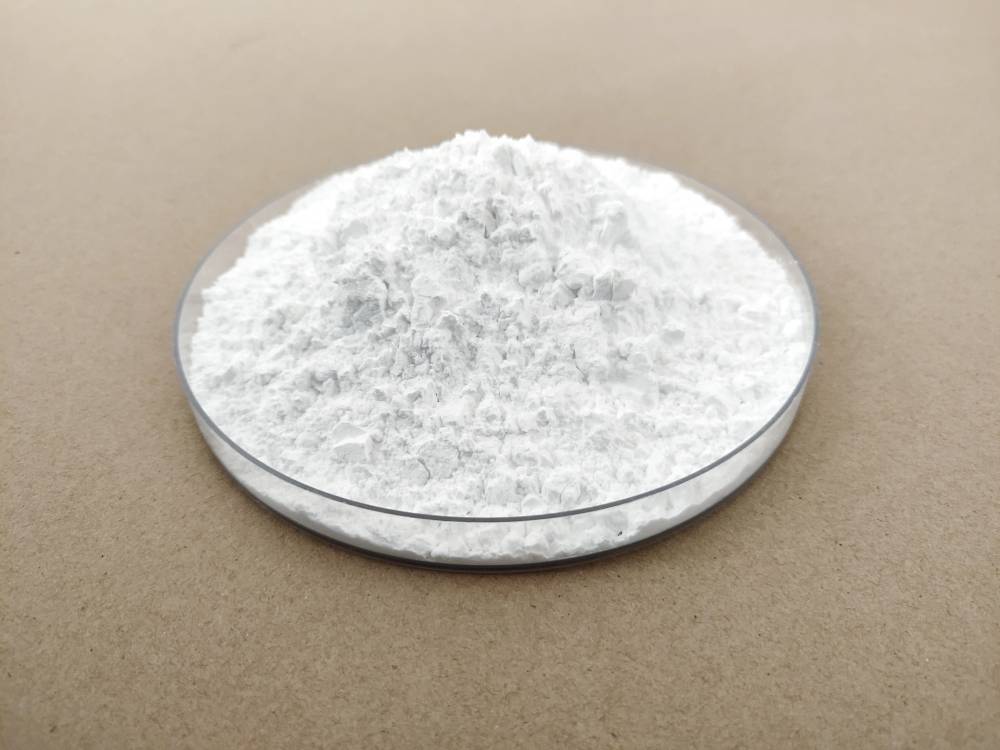
First, why choose nano alumina? Core features establish thermal conductivity advantage
As a nanoscale functional powder focused on the field of thermal conductivity, aluminum oxide products deeply match the requirements of thermal conductivity scenarios in terms of preparation processes and performance design. The core advantages can be summarized as "three highs and two optimizations":
1. High thermal conductivity, much higher heat dissipation efficiency than traditional powders
Through special crystal structure control and particle size optimization, the thermal conductivity can reach 30-35 W/(m · K), far exceeding traditional micrometer scale aluminum oxide (usually below 20 W/(m · K)). The nanoscale particle size allows the powder to be more evenly filled into the thermal conductive matrix, forming a "gapless" thermal conductive pathway, significantly reducing thermal resistance, and allowing heat to quickly transfer to the heat dissipation interface, solving the problem of "local overheating" of equipment.
2. High dispersivity, to avoid agglomeration affecting the heat conduction effect. Traditional nano powders are easy to agglomerate due to high surface energy, resulting in a "heat conduction blind zone" inside the heat conduction material. After surface modification treatment, the hydroxyl content on the surface of alumina is precisely controlled within a reasonable range, which can achieve excellent compatibility with mainstream thermal conductive substrates such as epoxy resin, silicone rubber, polyurethane, etc. It can be uniformly dispersed in the substrate without the need for additional large amounts of dispersants, ensuring the continuity of the thermal conductivity pathway and avoiding the damage of dispersants to the mechanical properties of the material.
3. High stability, suitable for complex working conditions
Aluminum oxide has excellent chemical stability and high temperature resistance. It does not undergo phase transformation or decomposition within the temperature range of -50 ℃ to 200 ℃, and does not react chemically with various thermal conductive substrates. Whether it is long-term high-temperature operation of electronic devices or charging and discharging cycles of new energy batteries, alumina can maintain stable thermal conductivity and extend product service life.
4. Low impurity content ensures product safety
Through precise purification processes, the impurity content of alumina (such as iron, sodium, silicon, etc.) is controlled below 0.01%, with no heavy metal pollution, and meets environmental standards such as RoHS in the electronics industry. It can also ensure safety and harmlessness in thermal conductive components of household appliances that come into contact with the skin and electronic devices used by children.
5. Excellent cost-effectiveness, reducing production costs for enterprises
Compared to powders such as nano aluminum nitride and nano silicon carbide with similar thermal conductivity, alumina has a wider range of raw material sources and more mature preparation processes, with a price only 1/3 to 1/2 of the former. While ensuring that the thermal conductivity meets the standard, it can help enterprises significantly reduce the production cost of thermal conductive materials and enhance product market competitiveness.
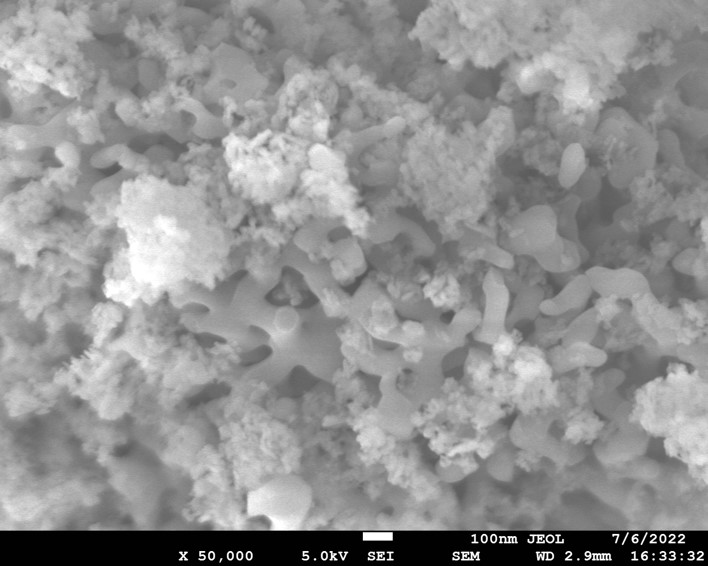
Second, the specific application of alumina in the field of thermal conductivity: from core components to end products
1. In the field of electronic devices: providing cooling protection for chips and PCB boards
With the increasing integration of chips, CPU、GPU、 The heat generation of core components such as power ICs continues to increase. If the heat dissipation is not timely, it can lead to performance degradation or chip burnout. It is mainly used in two types of key thermal conductive materials: • thermal conductive silicon film/thermal conductive gel: nano alumina is added to the silica gel matrix as a thermal conductive filler, and the thermal conductivity of the thermal conductive silicon film can reach 2.0~5.0 W/(m ・ K), which can closely fit the gap between the chip and the heat sink, fill the interface gap, and quickly conduct heat. At present, it is widely used for chip cooling in laptops, servers, and 5G base stations, reducing the working temperature of chips by 15-25 ℃ and improving performance stability by more than 30%.
Thermal conductive ink for PCB board: Adding nano alumina to the thermal conductive circuit layer of the PCB board can improve the thermal conductivity efficiency of the circuit layer and avoid the "hot spot" problem caused by excessive local current. Especially in automotive electronic PCB boards (such as in car radar and autonomous driving controllers), the high temperature resistance of nano alumina ensures stable operation of the PCB board in the high-temperature environment of the engine compartment, reducing the failure rate by 50%.
2. In the field of new energy: Assisting in the "safe heat dissipation" of batteries and charging stations
The heat dissipation issues of new energy vehicle battery packs, energy storage batteries, and charging stations are directly related to usage safety and endurance.
The application scenarios of nano alumina mainly include: • Thermal conductive sealing adhesive for battery packs: Mixing nano alumina with epoxy resin sealing adhesive and sealing it between the battery cells of the battery module, which can fix the cells, isolate external impacts, and quickly transfer the heat generated by cell charging and discharging to the battery pack shell. According to test data from a new energy vehicle company, the use of encapsulation adhesive containing nano alumina can reduce the maximum temperature of the battery pack by 12 ℃, extend the charge and discharge cycle life by more than 200 times, and effectively avoid the risk of "thermal runaway".
Charging pile thermal paste: The power module of the charging pile generates a large amount of heat during high load charging. Applying thermal paste made of nano alumina between the power module and the cooling fan increases the thermal efficiency by 40% compared to traditional thermal paste, extending the continuous charging time of the charging pile from 2 hours to 4 hours without frequent shutdown for cooling.
SAT NANO is a best supplier of al2o3 powder in China, we can offer 10-20nm, 30nm, 50nm and 100nm, and 1-10um, if you have any enquiry, please feel free to contact us at sales03@satnano.com